
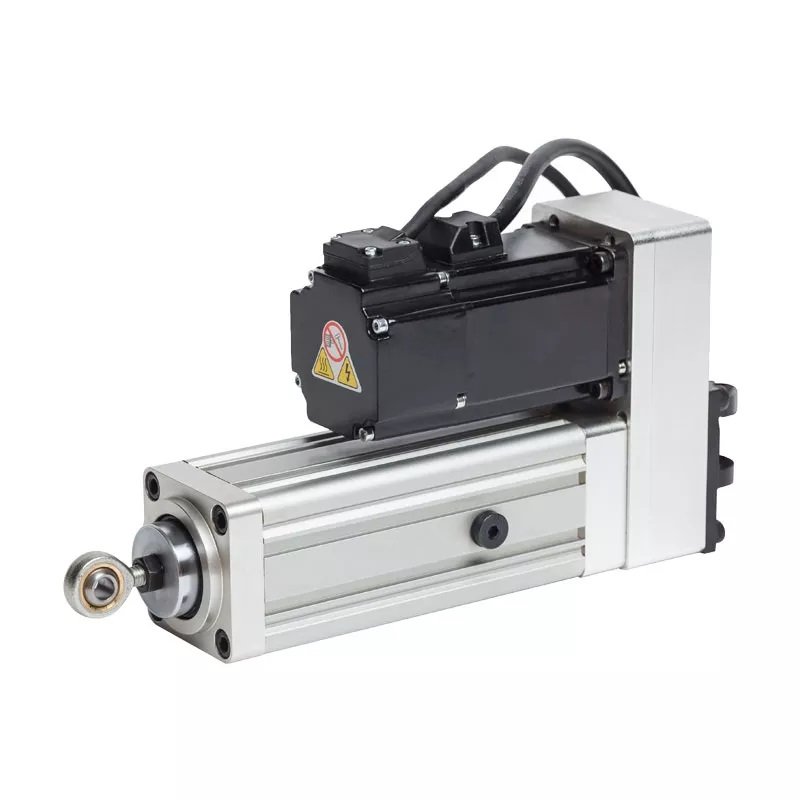
In brief: Servo electric cylinder high-temperature operation should be evaluated against the ambient and internal heat generated by the duty cycle. Confirm each component rating.
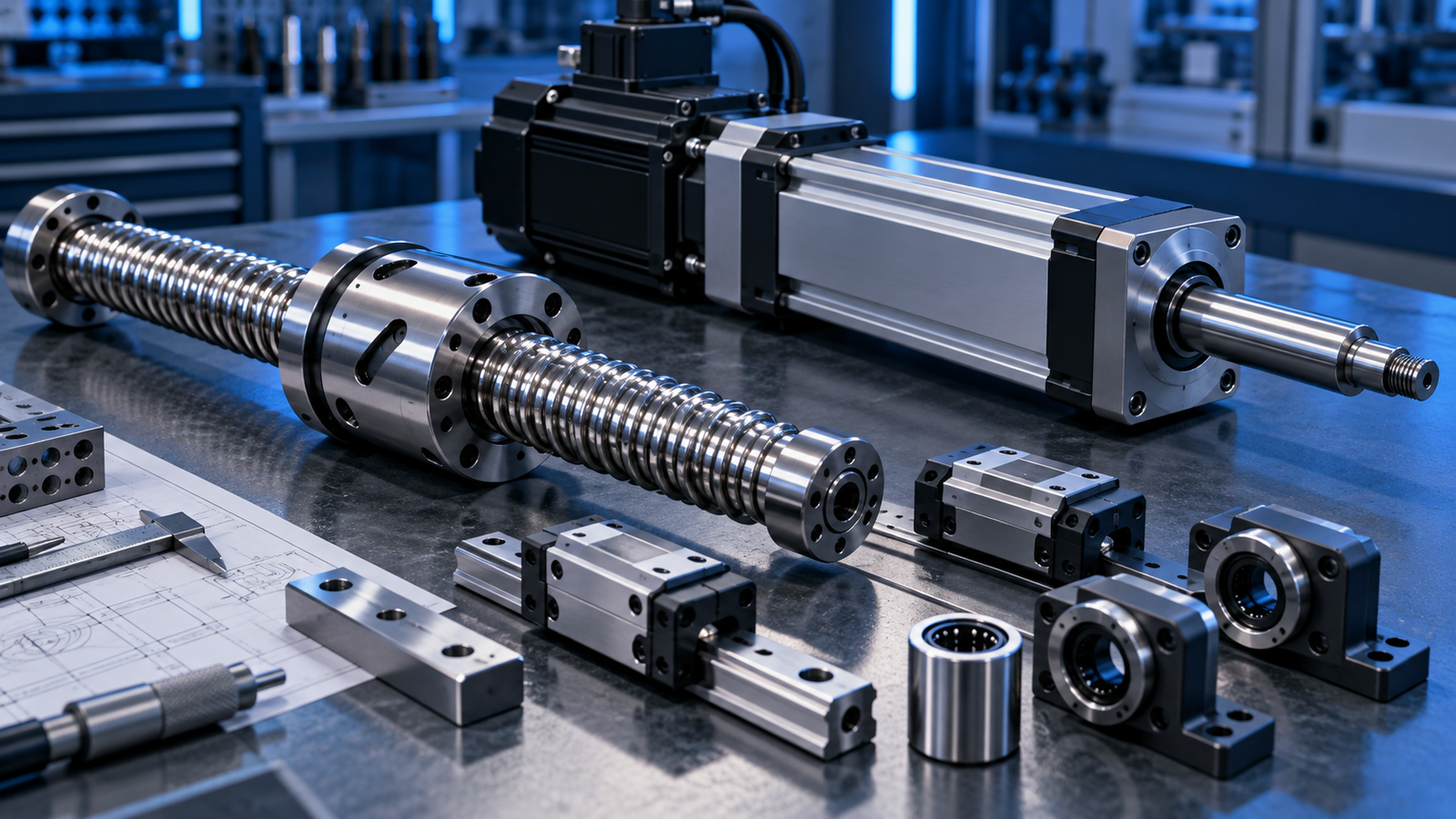
servo electric cylinder high temperature: engineering checks
Use the application drawing, motion profile and exact component manuals. Record the operating baseline before changing settings so that a correction can be verified under the same load and cycle.
Separate ambient and self-heating
Measure temperature near the actuator during the real cycle. Nearby ovens, sunlight or poor ventilation can raise the ambient level while high current and friction add internal heat. Record motor, drive and bearing temperatures where the manuals specify.
Review duty and motor sizing
Calculate continuous and peak load, speed, acceleration and cycles per hour. A motor that survives one cycle may overheat in sustained operation. Compare measured current and temperature with the exact motor and drive ratings.
Check lubrication and seals
Lubricant viscosity and service interval depend on temperature and the selected screw and bearings. Inspect seals, cable insulation and nearby electronics. Follow the model-specific maintenance guidance instead of assuming a universal high-temperature option.
Test the installed machine
Retest after warm-up with the real payload and ventilation state. Watch positioning error, noise, current and alarms. If the requirement exceeds a component rating, redesign cooling or select a suitable configuration with engineering review.
What to document
- Actuator, motor and drive models, payload, stroke, orientation and duty cycle.
- Alarm code, current, command and actual position at the first symptom.
- Mechanical alignment, external guidance, travel limits and safety response.
- One controlled change and a repeat test under the full production cycle.
Frequently asked question
Can I use one force or accuracy value for every model? No. Ratings depend on screw, motor, drive, mounting and duty. Ask for the datasheet and a review of the actual load case.
For adjacent topics, see the NEFEIT resource center, selection guide and failure diagnosis. Contact NEFEIT engineering with your drawing and trace data. For general guidance on linear motion components, consult THK technical resources alongside the actual component manuals.